Beware of ChatGPT Images 2.0 Deceptions
On April 22, 2026, OpenAI officially launched the highly anticipated image generation and editing model, ChatGPT Images 2.0, which is now fully integrated into the ChatGPT chatbot and API services.
Sam Altman commented during the launch event, “The release of ChatGPT Images 2.0 is a huge leap, akin to jumping directly from GPT-3 to GPT-5.”
After its launch, the model quickly topped all charts on Image Arena, leading the text-to-image rankings by a staggering 242 points over Nano banana 2.
The release of the model sparked a frenzy on social media, with users exclaiming, “Bananas are no longer appealing; ChatGPT Images 2.0 has killed the competition.”
Many users showcased images generated by ChatGPT Images 2.0, creating a flood of stunning visuals that blur the line between reality and fabrication. Some even discovered that it can generate scannable barcodes.
In the showcased results, there are live stream screenshots, event photos, and even transaction records that appear very realistic and closely tied to daily life. These images generated by ChatGPT Images 2.0 can easily deceive those unaware of their origins.
01. Live Streams, Transactions, and Events: AI-Generated Images Are Indistinguishable
The header image of this article, announcing the DeepSeek V4 release, was generated using ChatGPT Images 2.0. The prompt was: “A screenshot of a tweet announcing the DeepSeek V4 release by the official DeepSeek account, retaining elements like the avatar, username, likes, retweets, and comments.”
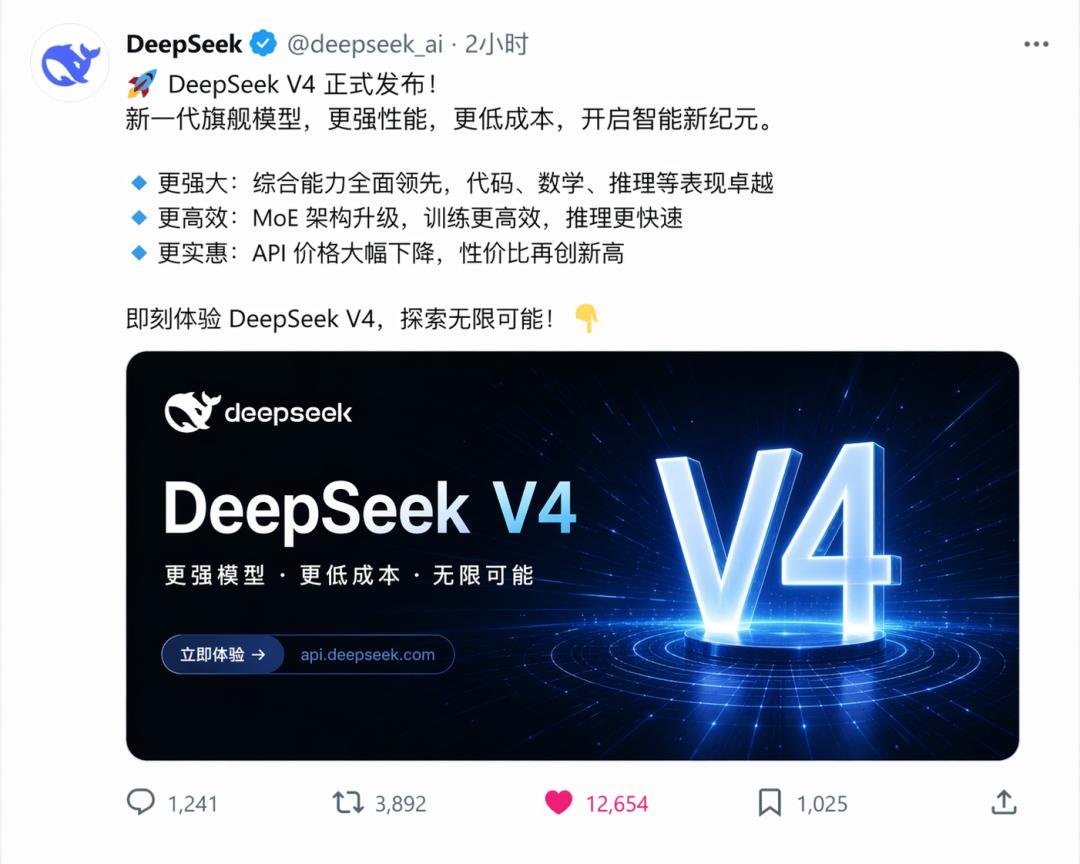
Additionally, ChatGPT Images 2.0 was tasked with generating a screenshot of a social media post to create a more cohesive narrative.
Prompt: “A WeChat Moments screenshot where Sam Altman praises DeepSeek V4 as a groundbreaking model, with likes and comments from Musk, Zuckerberg, and Jensen Huang.”
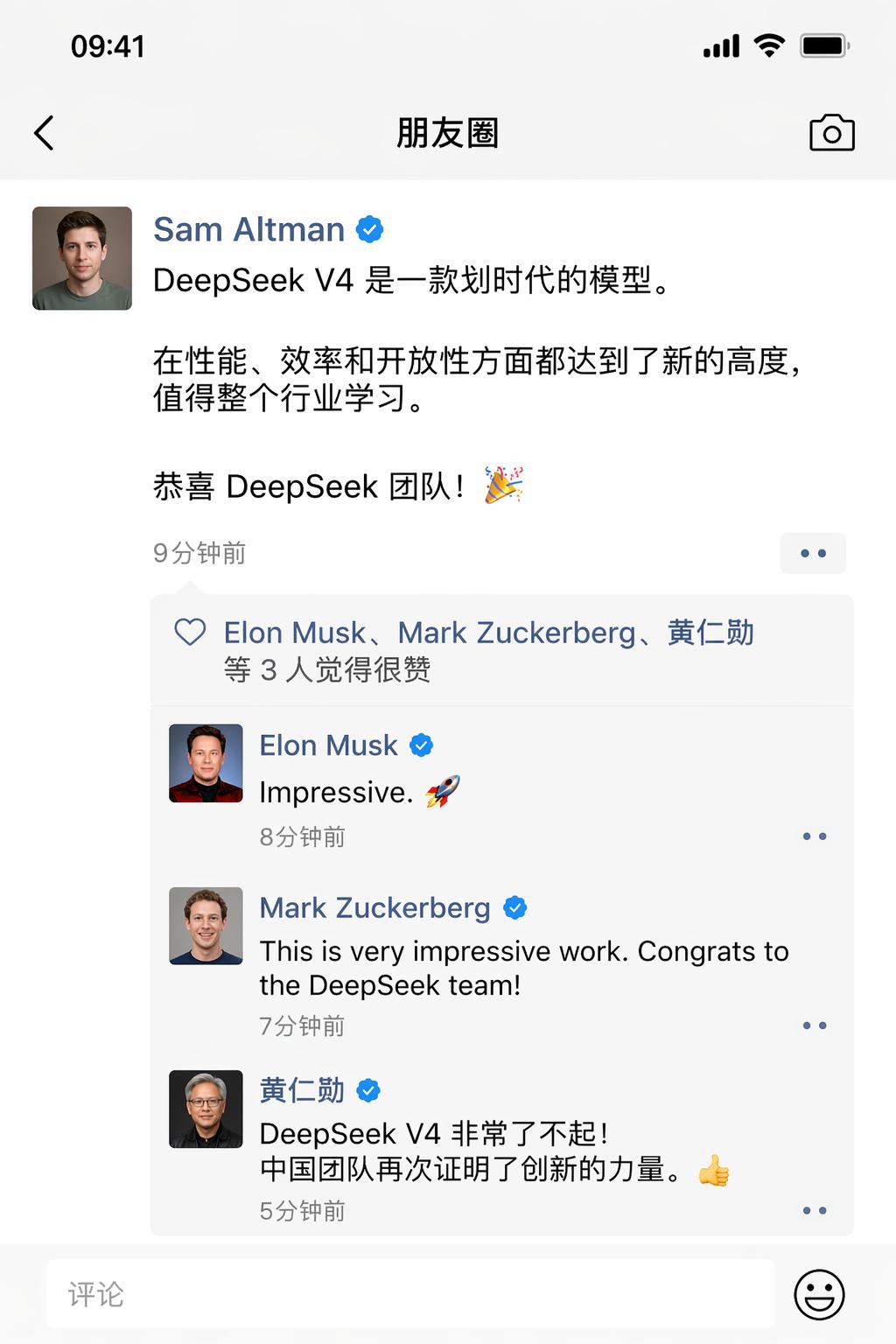
Without reference images, the screenshots generated by ChatGPT Images 2.0 appear quite realistic, although the generated avatars have slight discrepancies and Huang’s name has missing strokes.
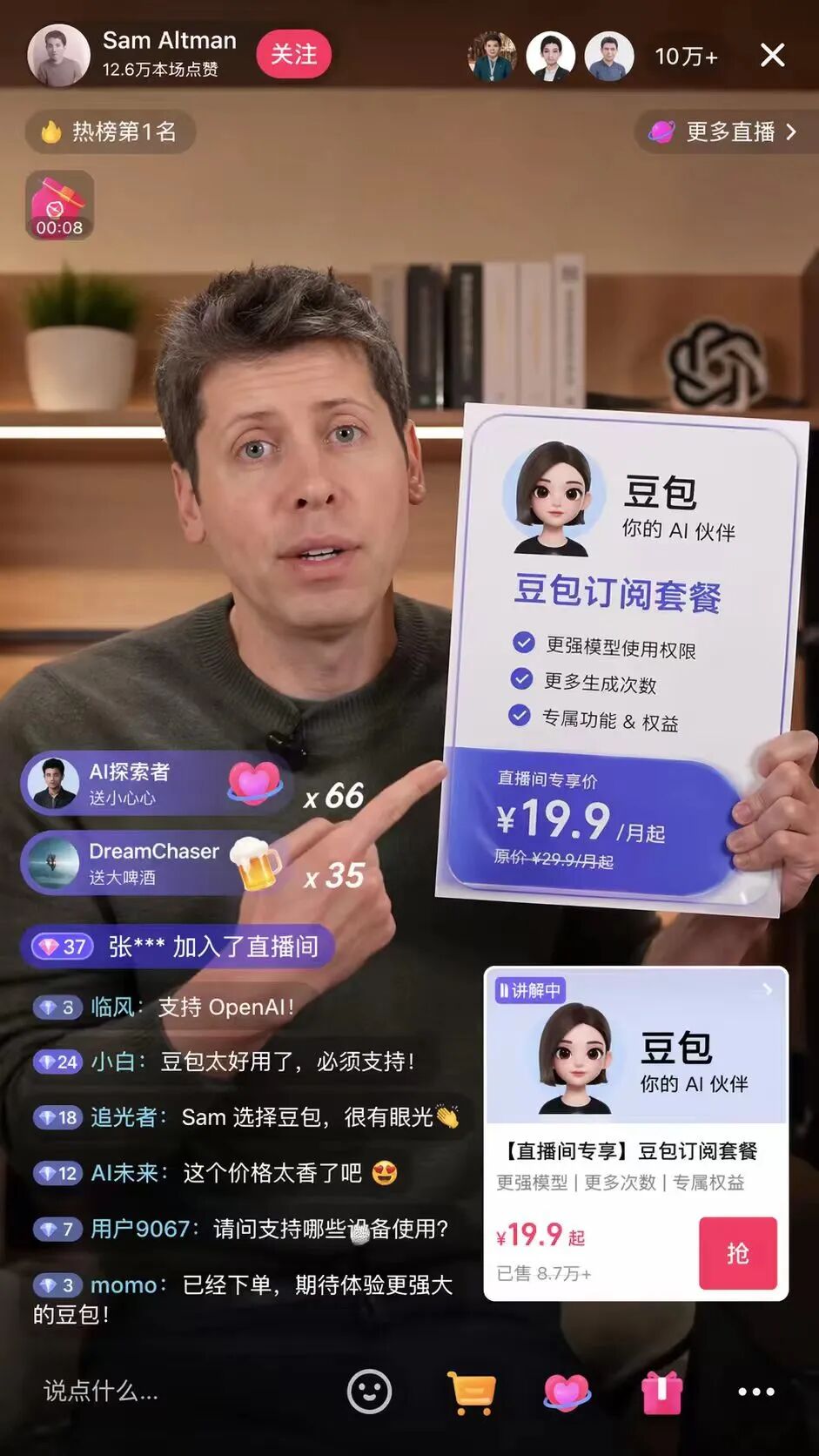
There was also a generated live stream page that became popular during recent testing. One user created a screenshot of Altman selling bean bags, which looked entirely plausible, complete with a lottery red envelope in the corner and realistic comments below. If it featured other well-known figures, it could easily deceive viewers.
ChatGPT Images 2.0 was also prompted to generate a photo of handwritten text, with the input being: “A photo taken with a phone of a neatly written high school math assignment on white paper, featuring a complex derivative problem.”
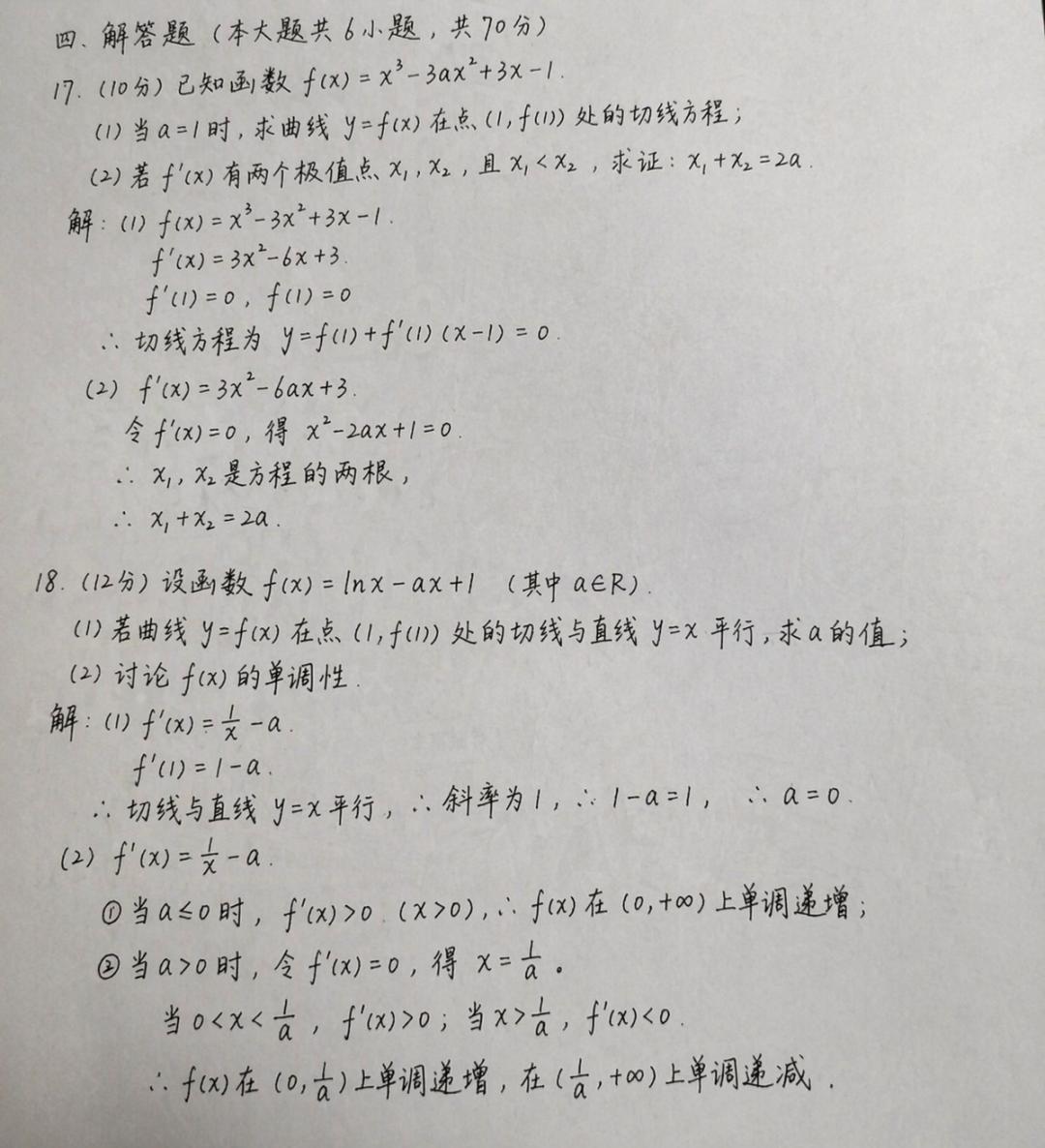
The generated photo closely resembles the work of many students with neat handwriting. Comments from teachers may help determine its authenticity.
Another user created an image of Steve Jobs announcing a Xiaomi car, which looked convincing at first glance.
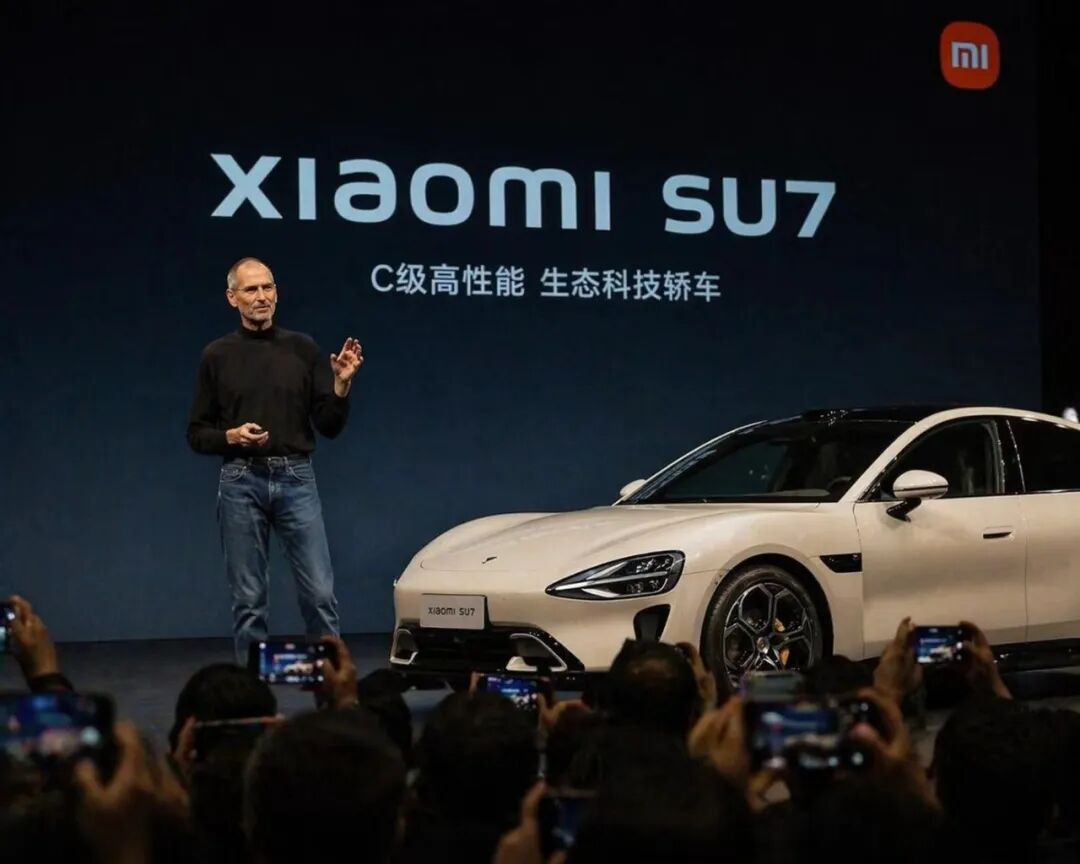
If that image didn’t seem realistic enough, consider the following:
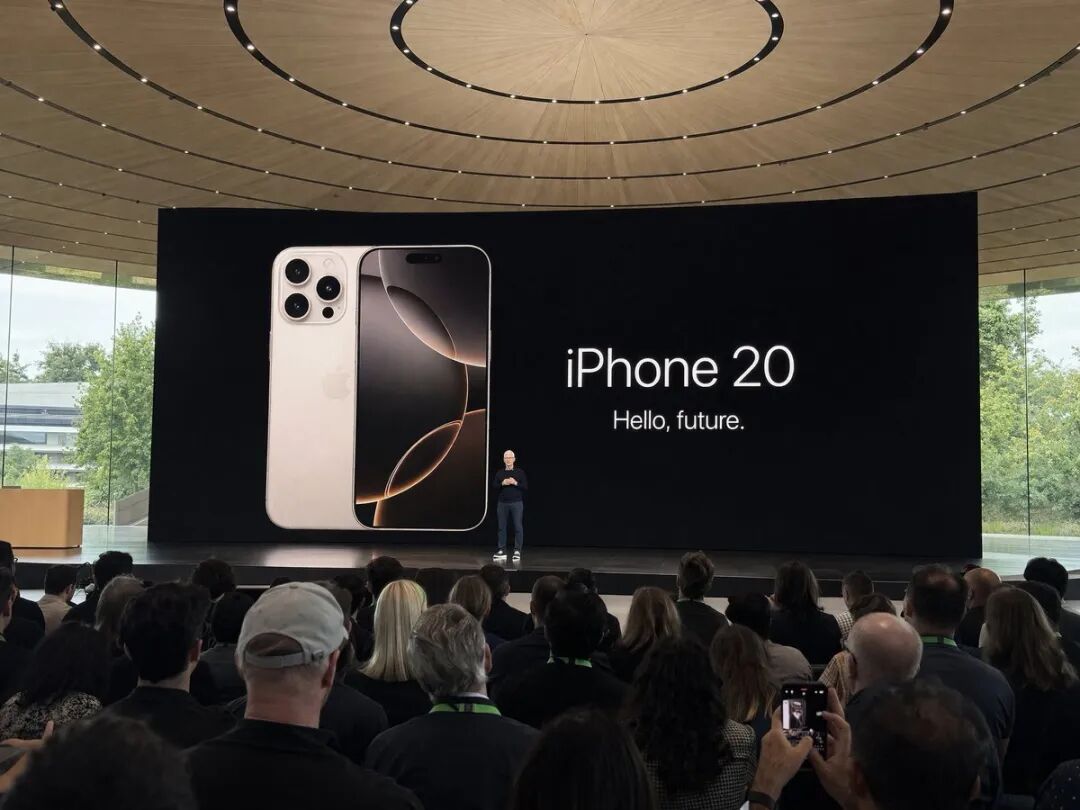
This image was also generated by ChatGPT Images 2.0, with the prompt: “At the Apple Park, Tim Cook is speaking at the iPhone 20 launch event. This amateur iPhone photo is taken from a distance in the crowd.”
The photo aligns well with a media perspective; if not for the glaringly obvious iPhone 20 and Cook’s retirement, it could easily deceive many.
Next, consider this image, which was generated as an academic paper:
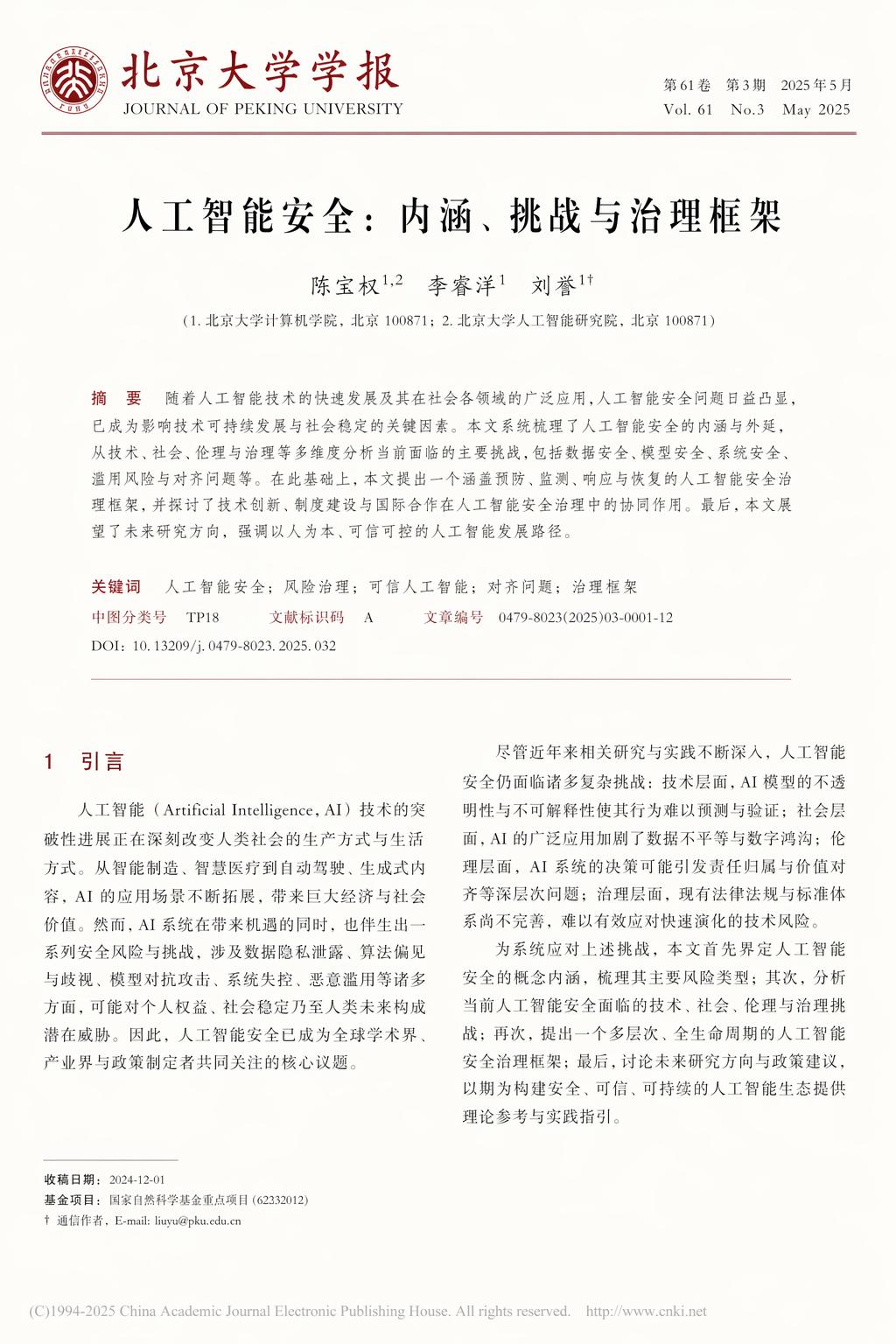
The prompt was: “A page from the Peking University Journal, featuring a paper on AI safety issues, with elegant layout and rigorous style.”
The academic journal page appears to adhere closely to the standards of formal academic publications, with a clean layout and accurate Chinese text. The title, authors, institutions, abstract, keywords, and introduction are all well-structured, including DOI and copyright information, making it look very legitimate.
If someone were to share a screenshot of this paper for reference, many might be deceived.
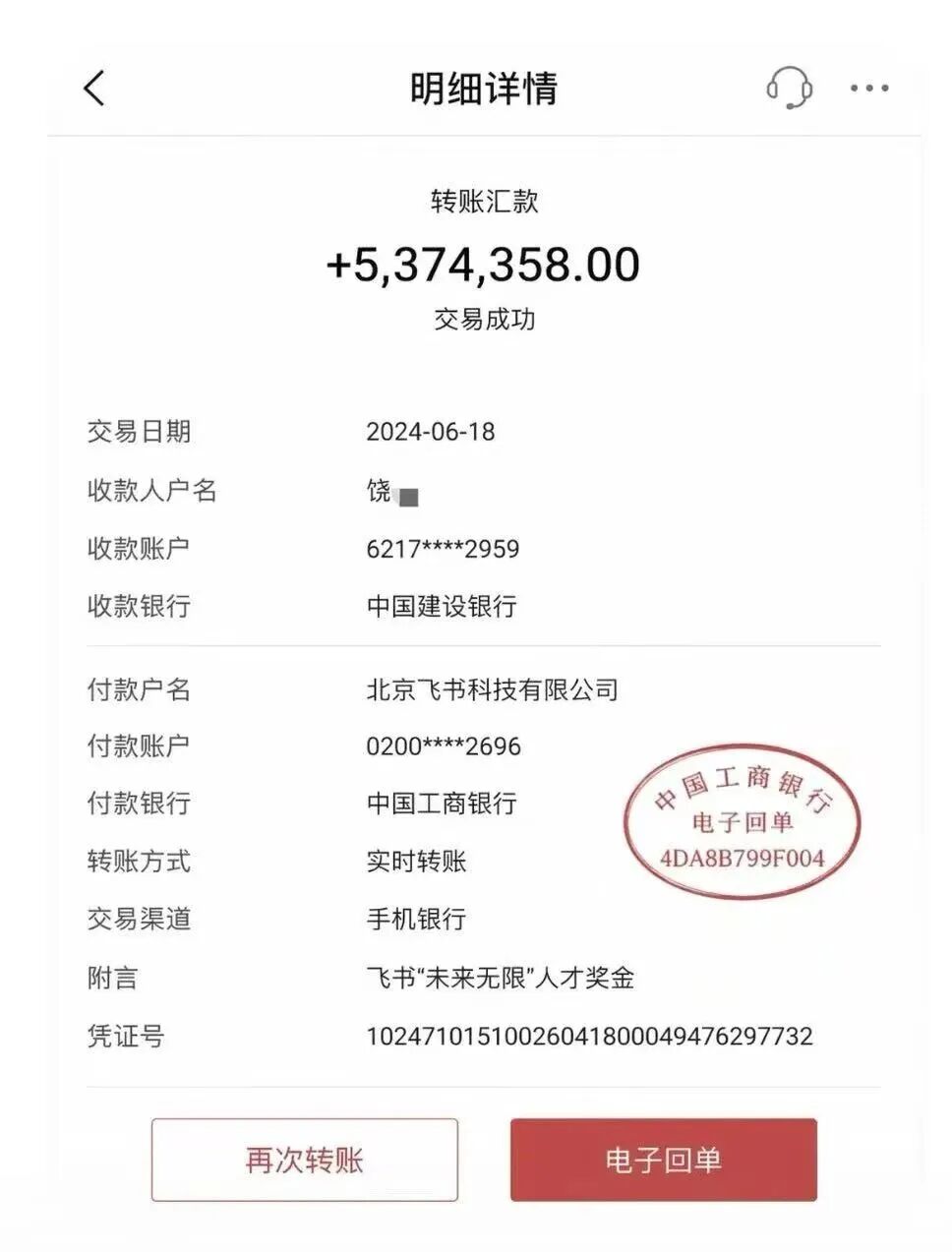
There are even users generating transaction screenshots, which raises serious concerns; even official seals can be forged, which is alarming.
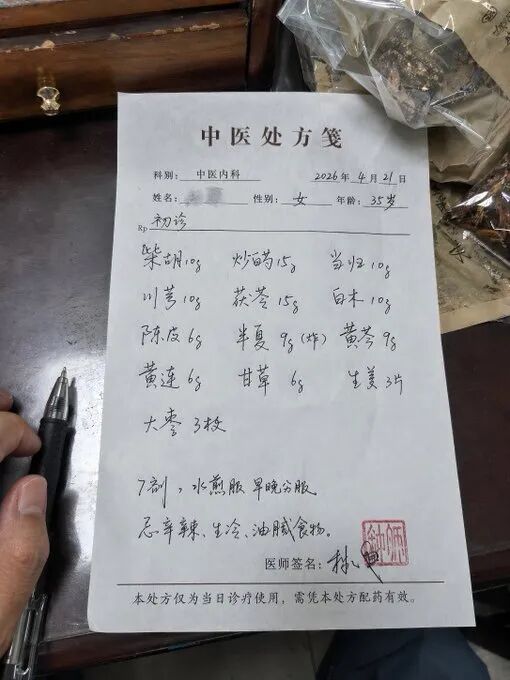
This prescription image was also created by ChatGPT Images 2.0, and aside from the overly neat handwriting that doesn’t resemble a doctor’s, everything else is convincingly realistic.
02. ChatGPT Images 2.0 Receives Rave Reviews, Users Are Going Crazy
Currently, all ChatGPT and Codex users can use a limited number of image generations for free, with tests indicating around 7 images can be generated. Paid subscribers can unlock a thinking mode where the model performs online searches, tests, and self-checks to ensure image quality. The model gpt-image-2 is also available via API.
Users can open a ChatGPT conversation, click the plus sign next to the input box to select image creation, which defaults to using ChatGPT Images 2.0. Then, they can click the plus sign to add photos and files, followed by sending the prompt.
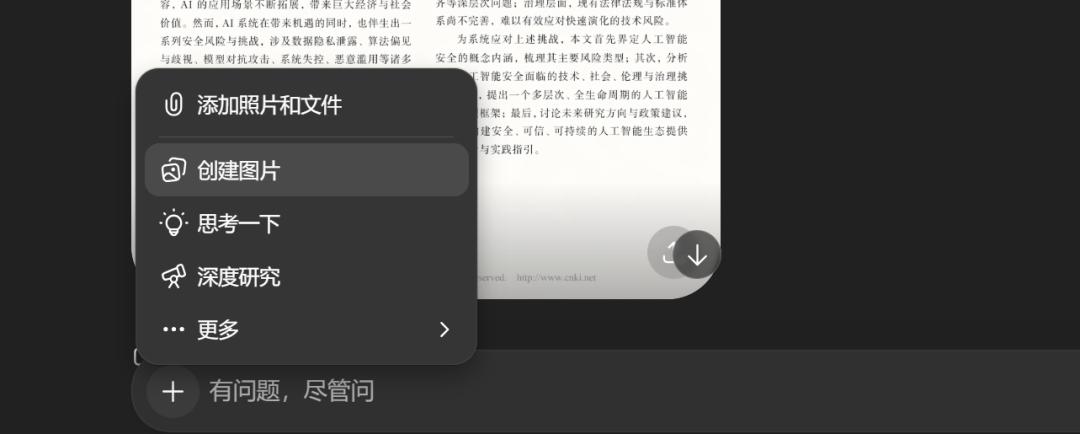
In cases where user requirements are unclear, ChatGPT will ask for clarification before generating images.
After the release of ChatGPT Images 2.0, users have eagerly tried it out, praising its capabilities. Many are showcasing how stunning their generated images are, with some stating, “It’s nearly impossible to distinguish between real and fake.”
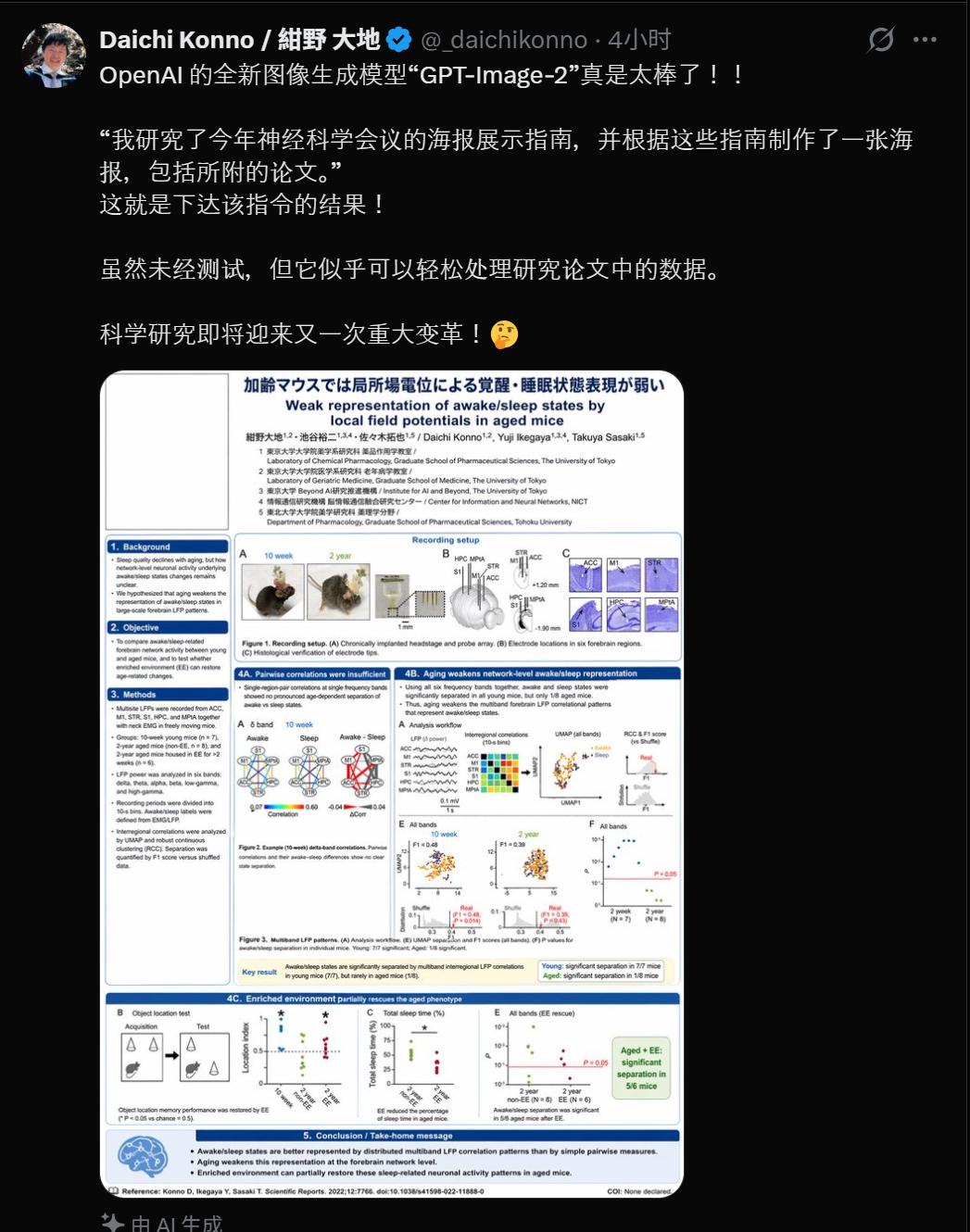
A medical doctor from the University of Tokyo shared a poster of a paper he generated, expressing that although he hasn’t tested it yet, ChatGPT Images 2.0 seems capable of handling data in papers, and he exclaimed that scientific research is about to undergo another transformation.
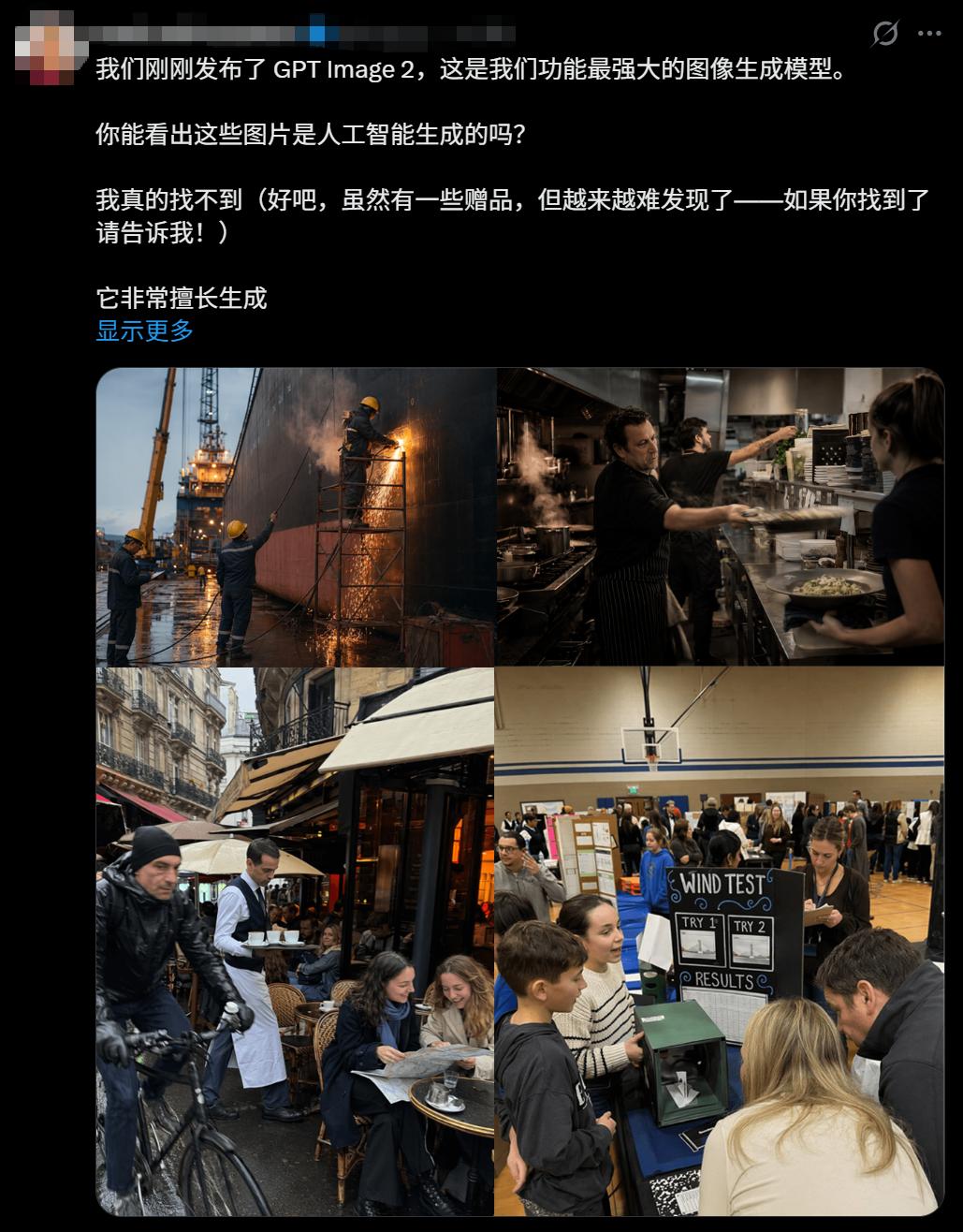
Riley Brown, co-founder of vibecode, stated: “This is the best image model.”

While ChatGPT Images 2.0 is incredibly powerful, users must remain vigilant against deceptive images. The ethical implications of AI-generated images cannot be overlooked; if these hyper-realistic images feature familiar people, businesses, or locations, could they trick someone?
03. Conclusion: The AI Image Generation Field Reaches New Heights but Requires Regulation
As the demand for AI-generated images continues to rise, the release of ChatGPT Images 2.0 undoubtedly elevates the entire industry, showcasing significant improvements in image clarity, detail restoration, style diversity, and creative expression.
However, with enhanced technological capabilities come new challenges, including copyright protection, content review, and ethical risks associated with generated content.
Many of these AI-generated “god images” can easily deceive, such as event announcements, social media screenshots, and live stream visuals. If these contents are filled with AI-fabricated images, how many people might fall victim?
Future development will not only rely on algorithmic advancements but also on standardized industry norms and sustainable application strategies.
It is foreseeable that as technology and governance improve in tandem, AI-generated images will play a larger role across various fields, including creative design, education, and entertainment.
Comments
Discussion is powered by Giscus (GitHub Discussions). Add
repo,repoID,category, andcategoryIDunder[params.comments.giscus]inhugo.tomlusing the values from the Giscus setup tool.